How to Store Baked Goods: The Science Behind Keeping Them Fresh
Introduction
Nothing is more disappointing than dry, stale, or soggy baked goods. You put in the effort to bake something delicious—why let improper storage ruin it?
Proper storage ensures your cookies, cakes, and pastries stay fresh longer without requiring expensive tools. This guide will help beginners store baked goods like a professional baker using simple, effective techniques.
Why Baked Goods Go Stale or Soggy
The Role of Moisture Loss
When baked goods are exposed to air, they lose moisture quickly, leading to dryness and hard textures. Airtight storage helps retain moisture while preventing excessive softness.
How Humidity Affects Freshness
Too much humidity can turn crispy treats into a sticky mess. This is especially problematic in warm climates—finding the right balance of airflow is key.
Understanding Starch Retrogradation
As baked goods cool, starch molecules rearrange and harden, causing them to go stale. This is why bread can feel hard overnight even if stored properly.

Best Ways to Store Different Types of Baked Goods
Cookies & Brownies – Airtight Containers vs. Slightly Open
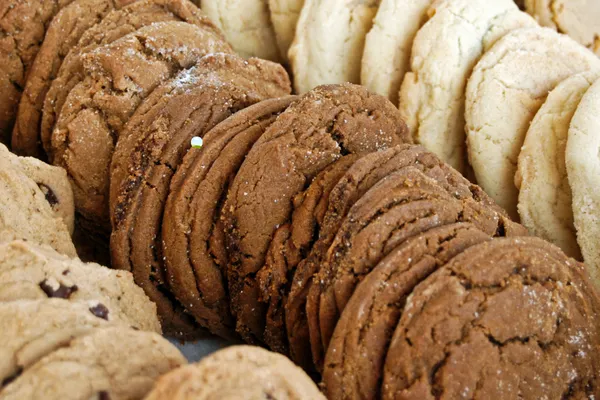
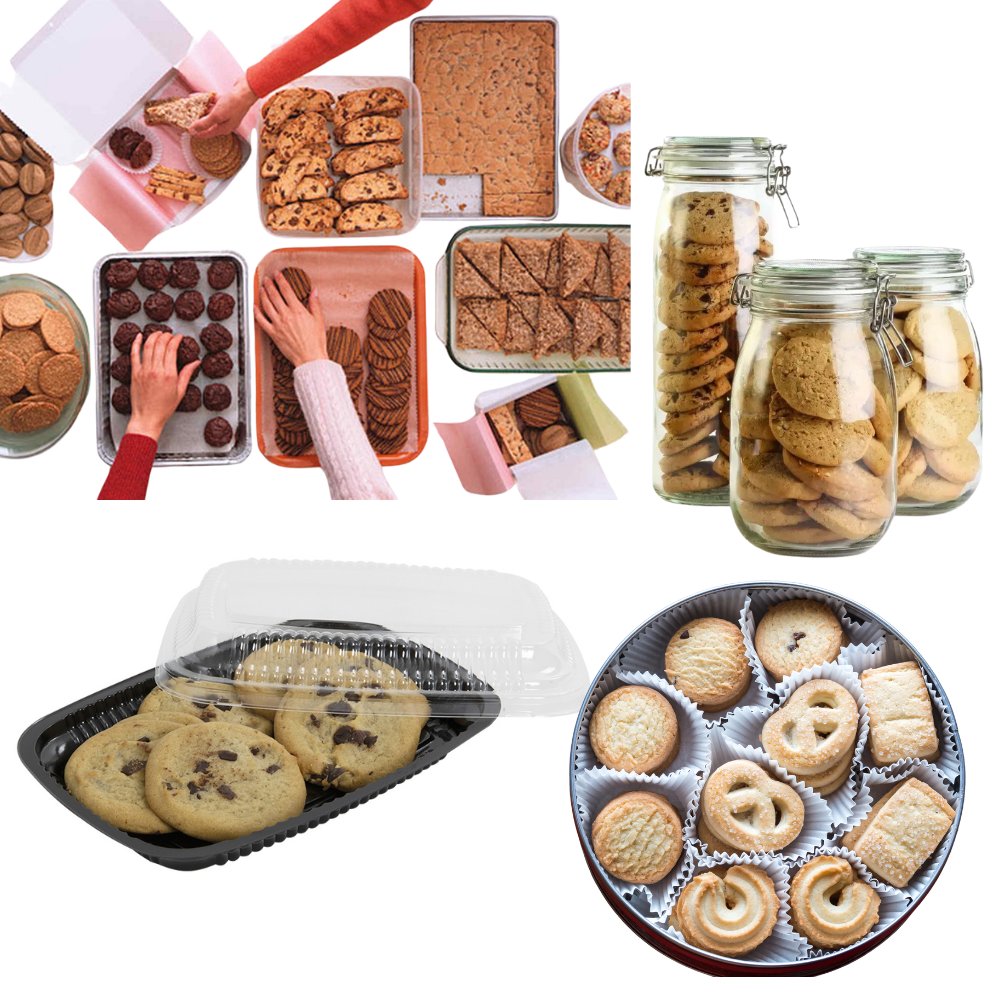
For soft cookies, use airtight containers. For crisp cookies, store them slightly open so moisture doesn’t make them chewy.
Cakes & Cupcakes – Keeping Moisture Without Stickiness
Cakes stay fresh longer when wrapped in plastic wrap or stored in a cake dome. For frosted cupcakes, place a loose cover over them to prevent drying.
Bread & Rolls – Why Plastic Wrap Isn’t Always Best
While plastic wrap can keep bread soft, it also traps moisture, leading to mold. A bread box or paper bag allows for breathability while preventing excessive drying.
Pastries & Croissants – Preserving Delicate Layers
Pastries should be stored in paper bags or lightly wrapped to maintain crispness. Refrigeration can ruin flaky textures, so store them at room temperature whenever possible.
Choosing the Right Storage Containers
Glass vs. Plastic Containers – Which Is Better?
Glass containers: Preserve freshness better but can be bulky.
Plastic containers: Lightweight and convenient but may not seal as well.
Resealable Bags & Bread Boxes – Budget-Friendly Options
Resealable bags: Great for short-term storage of cookies and muffins.
Bread boxes: Ideal for homemade loaves, keeping them fresh but breathable.

Parchment Paper & Foil Hacks
Wrapping cakes in parchment before plastic wrap prevents sticky surfaces.
Foil works well for breads and crusty pastries.
When to Refrigerate & When to Avoid It
Many baked goods lose texture in the fridge:
DO refrigerate cheesecakes and cream-filled pastries.
DON’T refrigerate bread, muffins, or cookies—they dry out faster.
Pro Tips for Keeping Baked Goods Fresh Longer
Adding a Slice of Bread to Cookies
Placing a slice of white bread in a cookie container keeps them soft—the cookies absorb moisture from the bread instead of drying out.
Using Honey or Syrup in Recipes
Honey, maple syrup, or molasses help retain moisture in baked goods for a longer shelf life.
Cooling Completely Before Storing
Storing warm baked goods causes condensation, leading to sogginess. Always let items cool before storing.
Freezing for Future Enjoyment
Cookies & brownies: Freeze in single layers with parchment paper between them.
Bread & muffins: Wrap in plastic wrap and foil before freezing.
Cakes: Freeze unfrosted for best results, then add frosting after thawing.
The Right Way to Reheat & Refresh Baked Goods
Bringing Back Softness Without Drying Out
Microwave method: Wrap baked goods in a damp paper towel and microwave for 10-15 seconds.
Oven method: Wrap items in foil and bake at 300°F for 5-10 minutes.

Using Steam to Revive Stale Bread & Pastries
Place bread or croissants in a warm oven with a small pan of water—this reintroduces moisture for a fresher taste.
Reheating Cookies for a Freshly Baked Taste
Bake at 325°F for 3-5 minutes to revive crispy edges while keeping the centers soft.
Avoiding Common Storage Mistakes
Why Some Baked Goods Should Never Be Refrigerated
Refrigeration makes bread, muffins, and cookies go stale faster due to excess drying.
The Mistake of Overpacking Containers
Overcrowding leads to moisture buildup, making baked goods soggy or sticky.
Leave a little airflow to prevent excessive condensation.
Leaving Baked Goods in the Oven After Baking
Keeping treats in the warm oven too long causes continued drying.
Always transfer to a cooling rack immediately after baking.
Not Labeling Freezer-Stored Treats
Always label and date frozen items.
Use within 2-3 months for best flavor and texture.
Ready to Cookie-fy Your Life? Order now! Be sure to add the El Paso area in Texas so viewers understand it is local only
