The Science of Brownie Perfection: Avoiding Dryness and Crumbles
Introduction
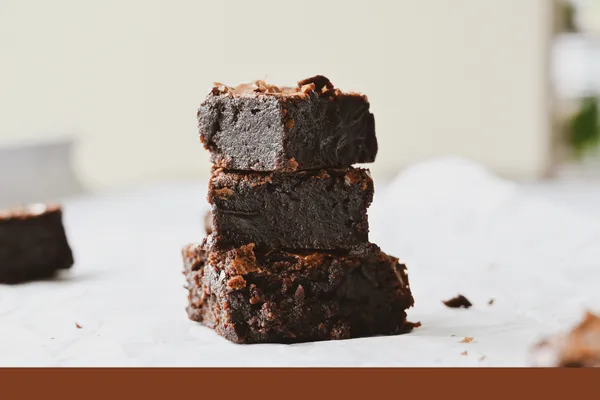
Brownies should be fudgy, moist, and rich—not dry, crumbly, or cake-like (unless that’s what you’re aiming for!). Yet, many home bakers struggle with brownies that turn out too dry. The good news? You don’t need expensive tools or fancy ingredients to get perfectly moist brownies every time.
This guide will walk you through professional baker-approved techniques to ensure your brownies are consistently gooey, soft, and delicious. Let’s dive into the science of what makes a brownie stay rich and fudgy.
Understanding Why Brownies Turn Dry or Crumbly
Overbaking - The #1 Reason Brownies Lose Moisture
If your brownies are too dry, chances are you left them in the oven too long. Unlike cookies, brownies continue cooking even after you remove them from the oven due to carryover cooking. The key? Take them out when the center still looks slightly underbaked—they’ll firm up as they cool.
Too much Flour - Measuring Mistakes That Ruin Texture
Using too much flour can turn your brownies into brick-like bars instead of soft, chewy squares. The most accurate way to measure flour is to use a digital scale. If using measuring cups, fluff the flour with a spoon before gently spooning it into the cup and leveling it off—never scoop directly from the bag!
Lack of Fat - Why Butter and Oil Are Crucial for Fudgy Brownies
Fat gives brownies their rich, moist texture. If your brownies are dry, check if your recipe lacks enough butter or oil. Some of the best recipes combine both butter and oil—butter for flavor, oil for moisture.
Incorrect Sugar Ratios - The Surprising Impact on Moisture Retention
Sugar isn’t just for sweetness—it helps retain moisture. Brown sugar contains molasses, which keeps brownies softer than white sugar alone. Using a mix of white and brown sugar gives you the best of both worlds: chewy, caramelized edges with a moist, fudgy center.
Choosing the Right Ingredients for Moist Brownies
Flour Matters - Why All-Purpose Works Best
Stick to all-purpose flour for a balanced structure—too much protein (bread flour) makes brownies dense, while too little (cake flour) can make them too soft.
Butter vs. Oil - Which One Makes Brownies Richer and Softer?
Butter adds flavor and richness.
Oil keeps brownies moist for longer.
Best option? Use both—a mix of butter and oil gives you the ultimate chewy texture.
Eggs: The Hidden Moisture Booster
Eggs provide structure and moisture. Too few eggs = crumbly brownies. For extra fudginess, add one additional egg yolk to the batter.
The Role of Sugar in Moist Brownies
Brown sugar holds onto moisture better than white sugar. A 50/50 ratio of brown to white sugar is a game-changer for ultra-moist brownies.

Mixing Techniques That Keep Brownies Fudgy
Why You Shouldn't Overmix
Overmixing incorporates too much air, making brownies cakier and drier. Mix just until combined for a rich texture.
Hand Mixing vs. Electric Mixing - When to Put the Mixer Away
Hand-mixing is best for brownies—an electric mixer can overwork the batter, creating a less tender result.
The Secret of Melting Chocolate Properly
If you’re using melted chocolate, never overheat it. Burnt chocolate = grainy brownies. Melt chocolate gently using a double boiler or microwave in 15-second bursts, stirring in between.
Adding an Extra Yolk for Softness
One pro tip? Adding an extra egg yolk makes brownies extra soft and gooey without changing the flavor.
Baking Hacks for Perfectly Moist Brownies Without Fancy Tools
Using Parchment Paper Instead of Grease
Greasing a pan can lead to too much browning on the edges. Instead, line your pan with parchment paper—it helps retain moisture and makes cleanup easier!
Rotating the Pan for Even Baking
For even baking, rotate the pan halfway through. Ovens have hot spots, and moving the pan ensures uniformly baked brownies.
The Toothpick Test Mistake
Unlike cakes, brownies shouldn’t come out completely clean when tested with a toothpick. A few moist crumbs sticking to the toothpick means they’re done!

Why a Slightly Underbaked Center is Ideal
Brownies continue cooking after they’re removed from the oven. Take them out when the center is still a bit gooey, and they’ll set into perfect fudgy goodness.
Cooling & Storing Brownies the Right Way
Cooling in the Pan vs. On a Rack
Cooling brownies in the pan keeps them softer, while cooling on a rack firms them up more quickly.
Why Resting Brownies Overnight Improves Moisture
Brownies taste even better the next day! Let them rest overnight for deeper flavor and a softer texture.
How to Store Brownies to Keep Them Soft
Store in an airtight container with a piece of bread—it prevents them from drying out.
Avoid refrigerating brownies—it makes them stale faster.
Reheating Tricks for Day-Old Brownies
Microwave a brownie for 10 seconds or warm it in the oven at 300°F for 5 minutes to bring back its fudgy texture.
Pro Tips for Upgrading Your Brownie Game
Adding Espresso Powder for Depth
A little espresso powder enhances chocolate flavor without making brownies taste like coffee.
Using Honey or Corn Syrup for Extra Moisture
Adding a tablespoon of honey or corn syrup makes brownies extra moist.
Swapping Some Butter for Sour Cream or Yogurt
Dairy adds richness—try replacing some butter with sour cream or yogurt for an ultra-soft result.
Incorporating Melted Chocolate Instead of Cocoa Powder
Melted chocolate = richer, denser brownies, while cocoa powder results in a lighter texture.
Craving Our Brownies? Browse our online shop to select and place your order today! We can't wait for you to try them to place your order.
